What Is Kwanzaa?
Kwanzaa is a cultural celebration created in 1966 to strengthen African American identity and reconnect families with African heritage. It draws inspiration from African harvest traditions and focuses on community values rather than religious observance.
The Nguzo Saba: Seven Principles of Kwanzaa
Each day of Kwanzaa is devoted to one of the seven core principles — known collectively as Nguzo Saba — that encourage reflection, action, and community upliftment.
- Umoja (Unity): Strive for and maintain unity in the family, community, and culture.
- Kujichagulia (Self-Determination): Define, name, and create for oneself — taking ownership of identity and purpose.
- Ujima (Collective Work & Responsibility): Build and maintain community through shared responsibility and cooperation.
- Ujamaa (Cooperative Economics): Support economic growth by building and patronizing community-owned businesses.
- Nia (Purpose): Commit to goals that uplift and develop the community.
- Kuumba (Creativity): Use creativity to enrich and beautify the community.
- Imani (Faith): Believe in the community’s potential, heritage, leaders, and shared future.
Symbols of Kwanzaa
Kwanzaa is rich with symbolic items that hold deep cultural meaning and are displayed during the celebration.
- Mkeka: A woven mat representing tradition and history.
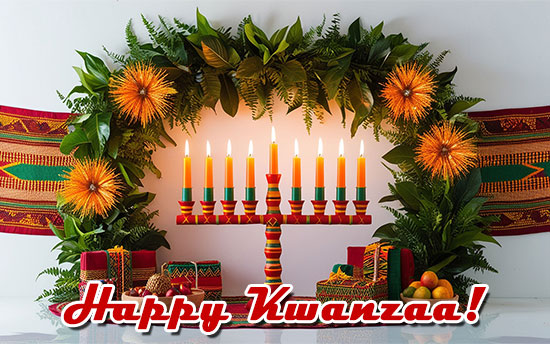
- Mishumaa Saba: Seven candles representing the principles.
- Kinara: Candleholder symbolizing African roots.
- Mazao: Harvest fruits and vegetables signifying abundance.
- Kikombe cha Umoja: Unity cup used in community libations.
- Muhindi: Corn ears representing children and future generations.
- Zawadi: Gifts that honor commitment, growth, and shared learning.
How Families Celebrate
Families and communities observe Kwanzaa with daily candle lighting, communal meals, music, storytelling, and discussions about the principle of the day. On December 31st, a special feast called the Karamu brings everyone together for celebration and reflection.
Kwanzaa respects multiple spiritual paths and is often celebrated alongside other seasonal traditions, making it inclusive and meaningful for diverse households.